Iran; Yesterday, Today, and Tomorrow

The future is unclear, but one thing seems certain: the era of “Iran as a powerful regional force” is over. Any government that emerges from this crisis will have to deal with realities such as military weakness, economic isolation, and public pressure.

In less than one week, the Middle East has entered one of the most tense periods in its modern history.

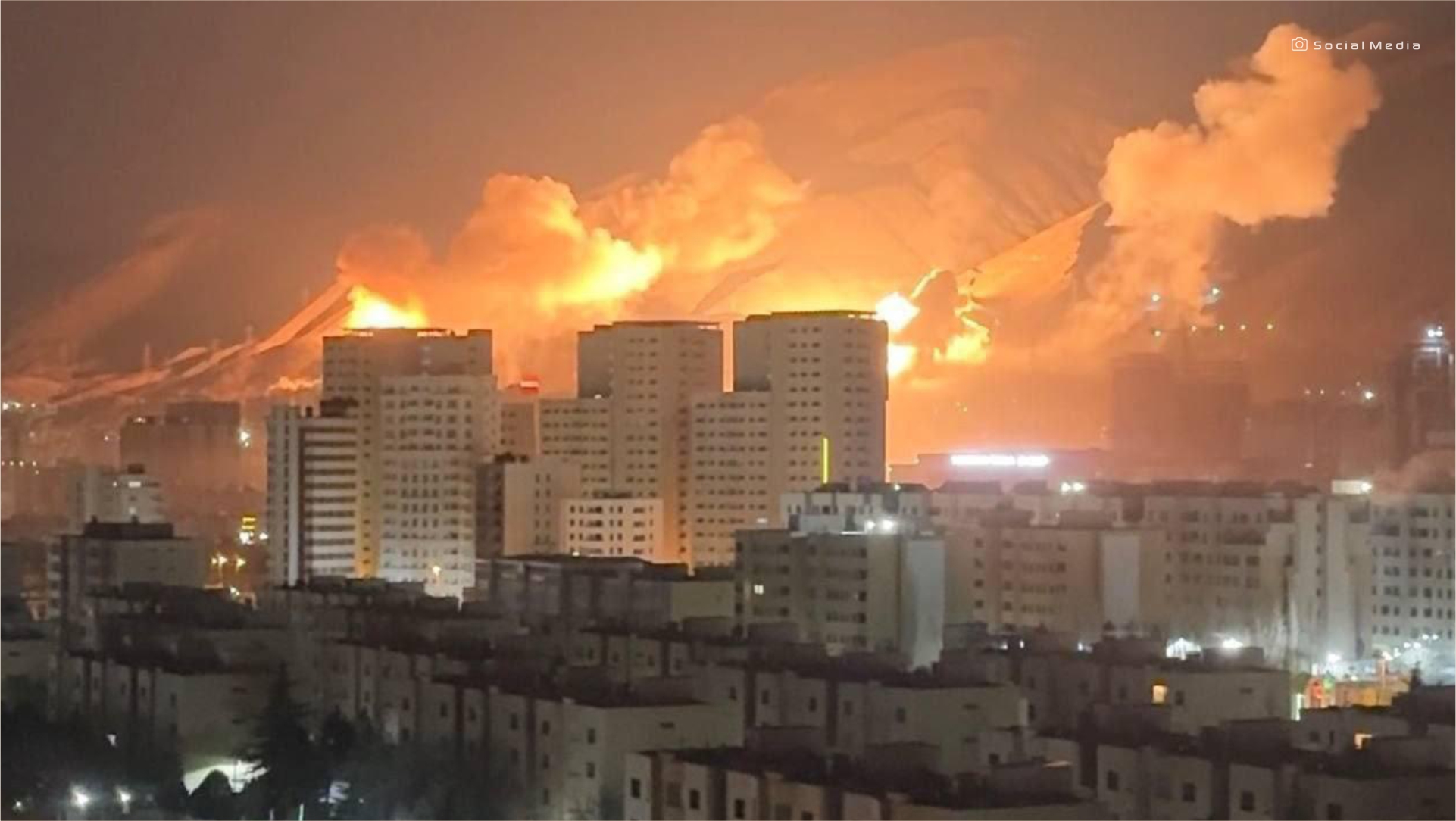
Starting from February 28, 2026, coordinated U.S. and Israeli air attacks began targeting Iranian military, nuclear, and command sites. In the very first hours, Ayatollah Ali Khamenei, the Supreme Leader of the Islamic Republic, along with several other high-ranking military and security officials, were killed.

The Current Situation

This event has turned Iran from a strong regional player into a country now fighting a direct war against global and regional powers.

Iran is in a very complicated position today. On one hand, it has lost its leader and top officials, and its missile and nuclear infrastructure has suffered heavy damage. On the other hand, the Islamic Republic still controls the political, ideological, and military institutions and must somehow restore its dignity after these attacks.

Meanwhile, public protests — which were already growing before the war — could now turn into widespread unrest or even a civil war.

Although the Axis of Resistance (Hezbollah, the Houthis, and Iraqi militias) has reacted to the U.S. and Israeli attacks on Iran, these responses have not yet been enough to shift the balance of power.

Syria, once a key logistics corridor, is now lost. The Islamic Republic must accept the bitter reality that Iran’s regional influence has dropped to its lowest level in decades.

Possible Scenarios

U.S. President Donald Trump has said the war will last “four to five weeks,” but he stressed it could become longer and has not ruled out the possibility of ground troops entering the conflict.

Based on the positions of the parties involved, three main scenarios seem possible:

First scenario:
Within one to two months, U.S.–Israeli air superiority could end the war. Iran cannot win this war, but it could temporarily close the Strait of Hormuz or continue asymmetric attacks to greatly increase the cost to the global economy.

In this case, the Islamic Republic would become much weaker but would survive. Eventually, perhaps under new leadership, it might agree to negotiations.

Second scenario:
If the power vacuum deepens, fighting could break out between the IRGC (Revolutionary Guards), moderate forces, and internal opponents.

This scenario could lead to widespread regional instability and displace millions of people.

Third scenario:
The regime survives. But even if it does, Iran would no longer be a serious threat to its opponents. The Axis of Resistance would be effectively paralyzed, and Gulf countries could then focus on their own security and economic plans with peace of mind.

In reality, this scenario is similar to what happened in Europe after the collapse of the Soviet Union.

Aftermath

This war will not only shape Iran’s future but will also redefine the balance of power in the Middle East — and even affect the global economy (from energy prices to inflation).

Today, Iranians face two serious dangers: external attacks on one side, and the risk of internal chaos on the other.

The future is unclear, but one thing seems certain: the era of “Iran as a powerful regional force” is over. Any government that emerges from this crisis will have to deal with realities such as military weakness, economic isolation, and public pressure.

A lasting peace is not impossible, but it can only happen if all sides (Iran, the U.S., Israel, and neighboring countries) choose real diplomacy and comprehensive regional reconstruction instead of continuing the cycle of revenge.

And finally: Wars always start more easily than peace is built, but the heavy price is paid by generations to come.

Is there any hope that this dark chapter could open a door to stability — instead of an even greater disaster?

By: Mosafer

Comments closed.